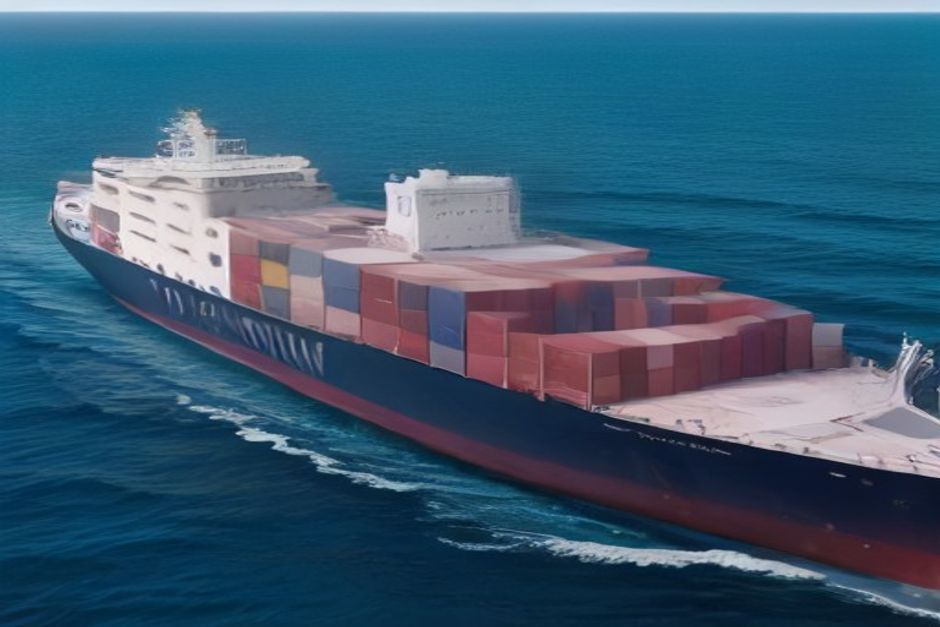
The global shipping industry, a cornerstone of international trade, is inherently cyclical and subject to myriad macroeconomic and geopolitical forces. For value investors, understanding these complex dynamics is crucial when evaluating major players like HMM Co., Ltd. (formerly Hyundai Merchant Marine), one of South Korea’s flagship carriers and a significant force in the global container shipping market.
The Volatile Tides of Global Shipping: A Macro View
The post-pandemic boom in freight rates, driven by unprecedented consumer demand and supply chain disruptions, saw container shipping companies achieve record profits. However, this golden era has largely normalized. As of 2023, the industry experienced a significant correction, with average freight rates declining by as much as 70-80% from their peak in 2021-2022. This sharp decline underscores the cyclical nature and high volatility inherent in the sector.
Current global trade forecasts suggest a modest recovery. The World Trade Organization (WTO) projects global merchandise trade volume growth of 2.6% in 2024, an improvement from 0.8% in 2023, but still below the average pre-pandemic growth rate. Geopolitical tensions, particularly in critical maritime chokepoints like the Red Sea, continue to introduce unpredictable supply-side disruptions, leading to temporary rate spikes. Such events highlight the vulnerability of global supply chains and the immediate impact on shipping costs and routes, necessitating longer voyages and higher fuel consumption, temporarily bolstering freight rates in early 2024.
Furthermore, environmental regulations, notably the International Maritime Organization (IMO) 2020 sulfur cap and the upcoming Carbon Intensity Indicator (CII) and EU ETS (Emissions Trading System), are reshaping operational costs and investment strategies. Companies must invest heavily in eco-friendly vessels or alternative fuels, with compliance costs potentially increasing operating expenses by 5-15% for older fleets, creating a competitive advantage for those with modern, efficient vessels.
HMM’s Strategic Positioning and Financial Resilience
HMM holds a critical position as the 8th largest container carrier globally by capacity, operating a fleet of approximately 820,000 TEU (Twenty-foot Equivalent Unit). Its membership in THE Alliance, alongside Hapag-Lloyd, ONE, and Yang Ming, provides crucial network coverage and operational synergies, allowing it to compete effectively on major East-West trade lanes.
Financially, HMM has undergone a remarkable transformation. After years of struggling with immense debt, aggressive restructuring efforts and the pandemic-driven boom significantly bolstered its balance sheet. For the full year 2023, HMM reported consolidated revenue of approximately KRW 8.4 trillion (USD 6.3 billion), an operating profit of KRW 584 billion (USD 440 million), and a net profit of KRW 1.0 trillion (USD 750 million). While these figures represent a substantial decline from the record highs of 2022, they demonstrate a return to profitability in a normalized market, a testament to improved operational efficiency.
Crucially, HMM’s financial health has dramatically improved. Its debt-to-equity ratio, once soaring above 500%, has stabilized at a significantly more manageable level, hovering around 50-60%. The company also boasts substantial cash reserves, exceeding KRW 15 trillion (USD 11.2 billion) as of late 2023, providing a strong buffer against market downturns and enabling strategic investments. HMM has been actively investing in its fleet, with plans to add 12 new 13,000 TEU containerships by 2025, demonstrating a commitment to modernization and capacity expansion with a focus on fuel efficiency.
Valuation Perspective for the Value Investor
From a value investing standpoint, HMM presents an intriguing case. Its current Price-to-Book (P/B) ratio often trades significantly below 1.0, typically in the range of 0.5 to 0.7, despite holding substantial tangible assets (vessels, terminals, cash). This valuation discount could suggest that the market is overly discounting the cyclical nature of the business or reflecting uncertainties surrounding its ownership structure. The ongoing efforts for privatization, including the failed sale attempt in early 2024, introduce volatility and complexity, yet also potential for a clearer strategic direction once resolved.
A deep dive into HMM’s asset base and robust cash position reveals a compelling intrinsic value. The company’s ability to generate strong free cash flow during prosperous times, which it has used to drastically deleverage and build reserves, is a key indicator of its improved financial discipline. Investors should analyze the sustainable normalized earnings potential, considering the long-term supply/demand equilibrium in the shipping market rather than recent extraordinary highs or lows. Dividend policy, though historically conservative due to restructuring, could become a more significant factor as financial stability solidifies.
In conclusion, HMM operates in a dynamic, capital-intensive industry. While freight rates remain volatile, HMM’s strengthened balance sheet, strategic alliances, and ongoing investments in a modern, eco-friendly fleet position it for long-term resilience. For the discerning value investor, patience and a focus on intrinsic value, rather than short-term market fluctuations, will be paramount in unlocking the potential of this global shipping giant.
HMM stock analysis, value investing shipping, global container shipping, HMM financial performance, maritime industry investment, HMM balance sheet, freight rates outlook, HMM valuation, shipping industry trends, value stock HMM